
Examining Gender Roles and Stereotypes through the Betty Bates Handbook
Critical Essay: Derrick Barnagian
The Betty Bates handbook is an intriguing artifact that details the idea of gender expectations in the mid 20th century at Bates College. When examining the pamphlet, there are multiple aspects that are key for understanding this object and the era it came from. In my analysis of the Betty Bates Handbook, I used the men’s pamphlet, The Straight Scoop, as a reference to compare and contrast the two. To help break down this handbook, its coloring, content, diction, tone, illustrations, and poems were all examined and used for criticism. The handbook itself is a look into stereotypes of the time as well as a method of suggesting a certain manner of behavior upon the two genders.
As this is a piece of writing, it is important to take note of the diction and tone of each piece. The Betty Bates pamphlet is full of feminine word choice, is extremely personal, and is written longwindedly, as opposed to the short, direct, no frills writing of the Straight Scoop. Word likes “wonder,” “fun,” “sisters” “gab” and phrases like “woe be onto you” and “You’re going to love it,” are used ad nauseam. While these add a nice personal touch to the handbook, helping it seem warm and welcoming, it also treats the incoming female freshman far differently than the males in a way that can be construed as condescending. These writing differences are tailored to target each sex by using common gender stereotypes as the women are written to superficially and flamboyantly and the men very simply and directly. These different approaches make assumptions on how each gender would respond to a certain type of writing that reinforces traditional stereotypes of men and women. Not only is this difference in styles and word choice a conscience choice by the writers, but also, it is discourteous to assume that women would automatically prefer a flamboyant and fluffy writing style rather than a straightforward and clear one. The style and diction of each piece appeals to idealized feminine and masculine aesthetics that is purposely aimed at each gender in an effort to draw them in to Bates and make them feel welcome, but it also happens Betty Bates handbook ends up belittling women simultaneously.
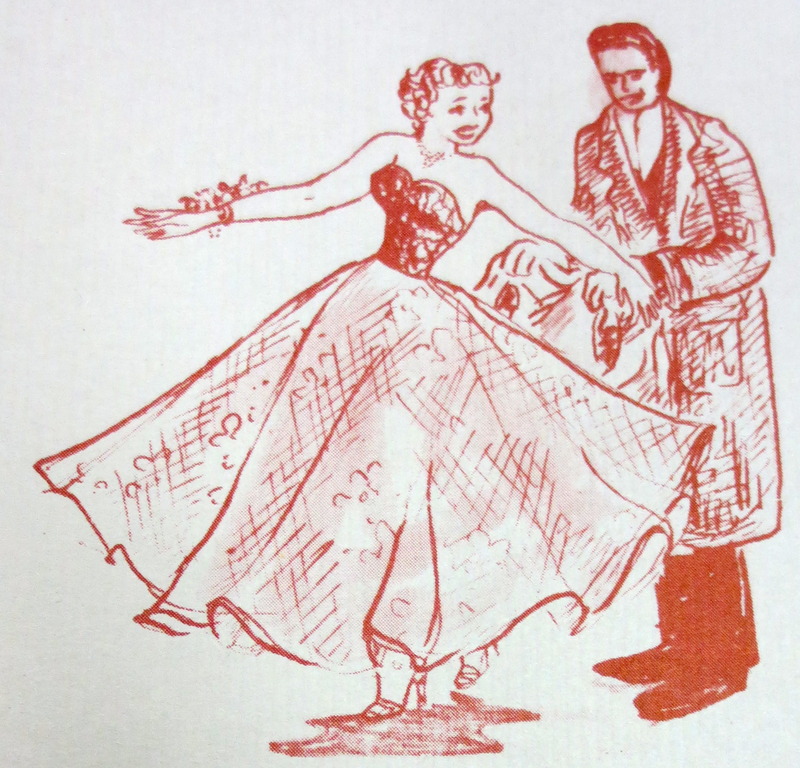
The illustrations, poems, and coloring within the Betty Bates handbook separate it even further from the Straight Scoop. Betty Bates handbooks are rife with four line poems opening or closing each section. These poems usually summarize the section in a mildly clever manner. These may be present to attract the more artsy incoming freshman, or it may be a shortcut to remembering all of the worthy lessons in the handbook while you are at school. If the case is the latter, it seems curious that the men’s handbook doesn’t have these helpful ways to remember the basic do’s and don’ts of college. The poems are also written in a similarly ditzy, feminine style that reinforces the stereotypical mid 1900’s female. The poems are accompanied by illustrations of women gossiping in their sleeping gowns and going to balls while chivalrous men help them over puddles. The Straight Scoop lacks these pictures as well, so there must be something to having visual and lyrical aspects in a handbook that is supposed to come across to females better than males. Lastly, it should also be mentioned that the two handbooks are very simply colored, one a traditionally feminine red/pink for Betty Bates, and the traditionally masculine green for The Straight Scoop. It appears that there is a very distinct method of appealing to females and it is conveyed through images, poems, and other superficial means. The sheer amount of superficial differences targeted at attracting each gender is a bit staggering.
Another important aspect of the handbooks is the actual content within them. Differences can be seen in the topics covered within each, the illustrations, and the poems. The Betty Bates handbook spends an inordinate amount of space discussing the importance of fashion, having even more superficiality pushed upon the incoming women of Bates. One could argue there is a fair bit of indoctrination occurring here, as there is a certain conformity being impressed before the arrival of female students. Further, there are many “recommendations” for engaging with other students socially, particularly roommates. These “helpful hints” happen to push a submissive ideology on girls, having them worry about the happiness and wants of others before themselves. While a worthy attribute in some scenarios, pushing this sort of behavior on adolescent girls seems like training for the traditional woman’s role in society, in relationships, and in the workplace. There is little writing concerning academics, something heviy featured in The Straight Scoop, yet another concerning issue with these handbooks being sent to intelligent young women. The Straight Scoop starts right away with details on how to do well in athletics and academics and was a proponent of being assertive and goal oriented with peers and activities, which is the complete opposite of the suggestions of the Betty Bates book. There was even an event in which males from the two halves of Bates campus would run for a “mayorship” while there are no such comparative events noted in the Betty Bates handbook. The major events described within the Betty Bates handbook were the large dances that were featured. It should also be stated that there is a very stereotypical description of the girls at Bates within the Straight Scoop, stating that they “knit,” “cook supper,” to which they “invite men- possibly with ulterior motives,” and even recommending incoming freshman males to set up a sort of mutual social agreement with their girlfriends from home to gain freedom while at school. The line being drawn between how males and females are to act, socialize, and what they should concern themselves with further separates the two genders physically, socially, and academically and seems to prepare them for completely different lives.
After reviewing the Betty Bates handbook, there are multiple levels of criticism that can be had, Firstly, it is clear that there are numerous disparities between how the Bates Student bodies decided to communicate “necessary” freshman etiquette and tips to the different genders. Poems, pictures, frilly language were all directed at the females but not the males. However, more can be gleaned when considering the implications of performing in such a way. There is a considerable amount of indoctrination occurring before these students ever reach Bates campus. Ways to dress, things to do, how to socialize, and especially how to act within the Bates Honor System are all pushed upon students eager to fit in, make friends and succeed. As one looks deeper, the conformity is not the most intimidating aspect to this issue. By using all of these hints, these adolescent females can be guided to a preferred state of action and behavior. There is a push toward stereotypical female attributes like submission and passive action and away from stereotypically male ones like intelligence and assertiveness. Through the handbook, we can see that these females are being groomed to fit in the traditional gender roles of the time through subtle behavioral and social adjustments.